

Dr Ross Pollock
Senior Lecturer in Aerospace Physiology
Biography
Dr Ross Pollock is a Senior Lecturer in Aerospace Physiology in the Centre of Human & Applied Physiological Sciences (CHAPS) within the Faculty of Life Sciences and Medicine. His multidisciplinary research spans several of the Centre’s core themes, including Muscle Form & Function, Aerospace Medicine and Physiology, Movement Function & Behaviour, and Respiratory Physiology & Medicine. He is also Co-Director of the postgraduate Aerospace Medicine courses, and contributes to teaching on the MSc in Human and Applied Physiology and the BSc in Sport and Exercise Medical Sciences.
Ross holds a BSc, First Class Honours, in Sport and Exercise Science and an MSc in Bioengineering from the University of Strathclyde. He completed his PhD, entitled “Physiological and Clinical Studies on the Effects of Whole Body Vibration”, at King’s College London. His postdoctoral research investigated healthy ageing through the study of highly active older adults. Following his postdoctoral work, Ross spent four years at QinetiQ within the Human Performance and Flight Physiology Groups. During this time, he worked primarily on projects investigating the physiological effects of long-duration acceleration using the Farnborough human centrifuge. He also contributed to studies of aircrew performance in altitude and thermal environments, as well as research seeking to understand and reduce musculoskeletal injury risk in aircrew.
Ross’s research interests focus on aerospace physiology research investigating how acceleration, altered gravity and other environmental stressors affect the human body. His current interests include the physiological challenges associated with fast jet flight, suborbital spaceflight and the effects of microgravity on musculoskeletal, cardiovascular and general health. This work is particularly relevant as access to spaceflight expands beyond traditional career astronauts to members of the public, creating new questions around human performance, health screening, countermeasures and the protection of diverse spaceflight participants.
Alongside this Ross is also interested in human physiological function across the lifespan and in extreme environments. A central theme of his work is understanding how ageing, exercise and inactivity influence muscle mass, physical function and performance. This includes research involving master athletes, who provide a valuable model for studying successful ageing and the extent to which lifelong physical activity can preserve physiological function.
Research

Aerospace Medicine and Extreme Physiology (AMEP)
Understanding physiological responses to aviation, space flight, extreme environments and their implications for health and performance
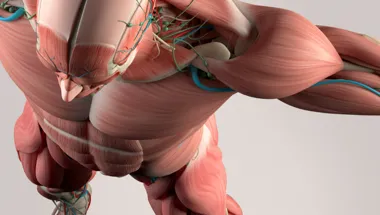
Muscle: Form and Function
The Muscle: Form and Function group is made up of biomedical scientists and physiologists whose research programmes range from cell and molecular biology and physiology to whole-body systems and integrative physiology

Neural Control of Human Movement
The Neural Control of Human Movement Research Group investigates the relationship between neurophysiological function and human movement.

Respiratory Physiology & Medicine
This group aims to improve clinical care through a better understanding of respiratory physiology in health & disease

Centre for Ageing Resilience In a Changing Environment - CARICE
Welcome to the KIng's Centre of Excellence for Ageing Resilience in a Changing Environment: CARICE
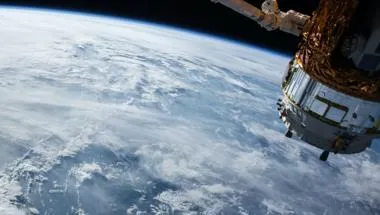
The Spacesuit Physiology Laboratory (SPL)
Our vision is to be the European leader for human research and technology development and go to place for human research that impacts the system requirements, design, certification, training and operation of spacesuits, vehicles, robotics, and habitats for off-world living and exploration.
News
Physiology graduates contribute £22.6 billion to the UK economy every year
King's Centre for Human & Applied Physiological Sciences contributed to report launched in parliament today

Researchers awarded £1.3m to study the physiology of healthy human ageing
A team from the Centre for Human & Applied Physiological Sciences has been awarded a grant by Nadace The JetBrains Foundation, to explore the effects of...
Spotlight
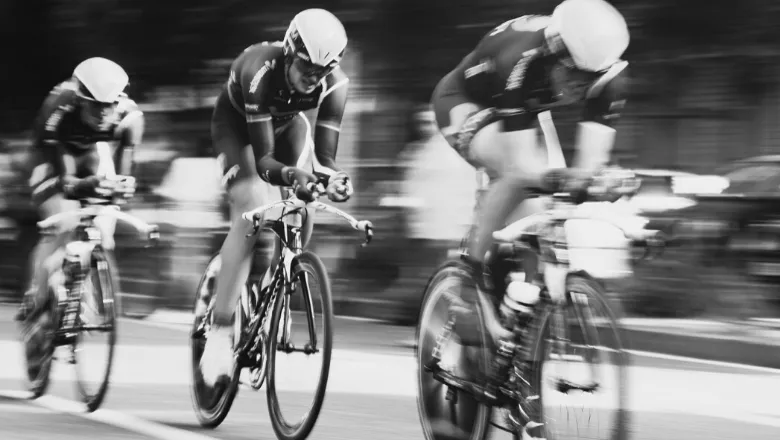
Aircrew conditioning programme aids pilots in their fight against high G forces.
Researchers at the Centre for Human & Applied Physiological Sciences at King’s, in close partnership with the RAF Centre of Aviation Medicine, and Squadron...
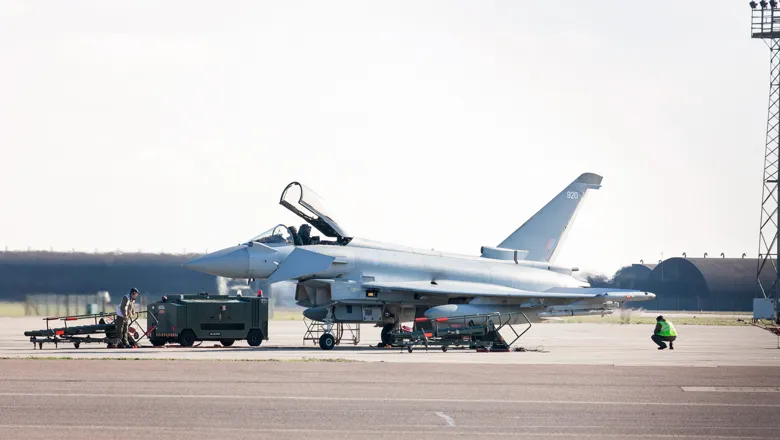
Research
Aerospace Medicine and Extreme Physiology (AMEP)
Understanding physiological responses to aviation, space flight, extreme environments and their implications for health and performance
Muscle: Form and Function
The Muscle: Form and Function group is made up of biomedical scientists and physiologists whose research programmes range from cell and molecular biology and physiology to whole-body systems and integrative physiology
Neural Control of Human Movement
The Neural Control of Human Movement Research Group investigates the relationship between neurophysiological function and human movement.
Respiratory Physiology & Medicine
This group aims to improve clinical care through a better understanding of respiratory physiology in health & disease
Centre for Ageing Resilience In a Changing Environment - CARICE
Welcome to the KIng's Centre of Excellence for Ageing Resilience in a Changing Environment: CARICE
The Spacesuit Physiology Laboratory (SPL)
Our vision is to be the European leader for human research and technology development and go to place for human research that impacts the system requirements, design, certification, training and operation of spacesuits, vehicles, robotics, and habitats for off-world living and exploration.
News
Physiology graduates contribute £22.6 billion to the UK economy every year
King's Centre for Human & Applied Physiological Sciences contributed to report launched in parliament today
Researchers awarded £1.3m to study the physiology of healthy human ageing
A team from the Centre for Human & Applied Physiological Sciences has been awarded a grant by Nadace The JetBrains Foundation, to explore the effects of...
Spotlight
Aircrew conditioning programme aids pilots in their fight against high G forces.
Researchers at the Centre for Human & Applied Physiological Sciences at King’s, in close partnership with the RAF Centre of Aviation Medicine, and Squadron...